
Melasma & Skin Pigmentation Treatments - Discovery PICO

Reversing your sun damage.
Sunspots can develop on the skin as a result of prolonged periods in the sun. Also known as solar lentigines, sunspots can vary in size, shape, and colour. These spots form when melanin pigment collects in the upper layer of the epidermis and develops into a brown spot. They are often seen on the face, neck, and hands as we age.
The good news is that we can reverse a lot of this damage using laser treatments that target the pigment in sunspots and offer effective skin pigmentation treatment quickly. Usually between one to three laser treatments is all that is required.

Our Lasers
Quanta Discovery Pico Plus (1064nm, 532nm, 694nm) Nano & Picosecond
Candela Long pulse Nd:Yag laser 1064 nm
Candela Long pulse Alexandrite Laser 755 nm
Targeting pigment for safe sunspot removal
Sunspots and freckles are caused when melanin or melanocytes are activated by sun radiation. Our lasers target and destroy this melanin pigmentation, allowing your body to then turn over the damaged cells and replace them with healthy new ones. Because our laser targets only the melanin in your skin, this means that your surrounding healthy skin is unaffected by the treatment.
For individuals with darker skin tones, pigmentation removal has traditionally carried a higher risk of complications, as many lasers struggle to distinguish between excess melanin in a sunspot and the natural melanin in the surrounding skin. Our Discovery PICO Plus laser, is a technology specifically suited to darker and more melanin-rich skin. Its ultra-short pico-second pulses shatter pigment with reduced heat transfer to the surrounding tissue, lowering the risk of side effects such as post-inflammatory hyperpigmentation. This makes safe, effective pigmentation treatment achievable across a much wider range of skin tones. Our team will still thoroughly assess your skin during your consultation to recommend the best approach for you.
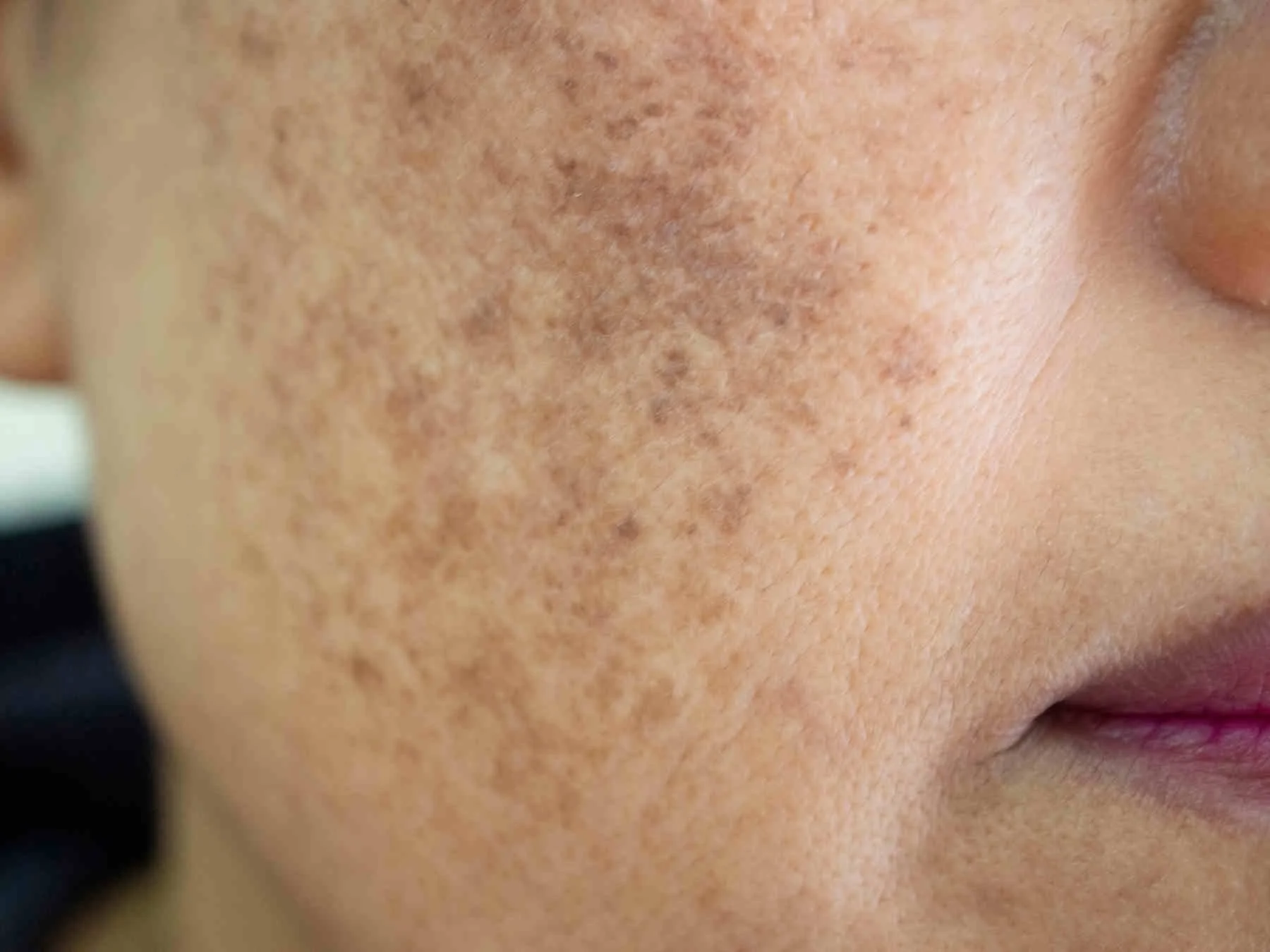
How about Melasma?
Melasma is notoriously difficult to treat, especially in darker or more sun-reactive skin types, because aggressive heat-based lasers can trigger rebound pigmentation and make it worse. The Discovery PICO's picosecond technology works differently — it delivers ultra-short bursts of energy that shatter pigment into tiny fragments without generating the excess heat that provokes melasma flare-ups. This makes it a suitable option for clients who've tried topical creams, chemical peels, or other laser treatments without success, or who were told they were too high-risk for conventional lasers. Combined with a conservative, low-density treatment approach and proper sun protection, the Discovery PICO can help gradually fade stubborn melasma while minimising the risk of triggering further pigmentation.
Our results.
Before and after sun spot removal.


Discovery PICO Pigmentation Frequently Asked Questions
-
Discovery PICO uses ultra-short picosecond pulses to shatter excess melanin, which your body clears naturally. Sunspots and freckling often fade after just 1–2 sessions. Melasma is more complex — driven by hormones and heat as well as pigment — so it's treated more gradually to avoid triggering a flare-up.
-
Sunspots sit in a predictable skin layer and respond well to standard settings, often clearing in 1–3 sessions. Melasma is deeper and more reactive to heat and hormones, so it's treated with lower energy over a longer course to prevent rebound.
-
Yes. Picosecond pulses generate less heat than older Q-switched or IPL lasers, and heat is what typically triggers pigment complications in darker skin. This makes PICO a safer option — though settings are still tailored to your specific skin type at consultation.
-
It targets excess pigment specifically, breaking down concentrated melanin in spots and patches. Your complexion looks brighter and more even because the discolouration fades — not because your natural skin tone changes.
-
Sun-induced spots often show fading within 1–2 weeks after a single session, with most people needing 1–3 sessions.
Melasma typically needs 4–6+ sessions for a gradual, stable result.
-
It depends on the cause. If dark circles come from pigmentation, PICO can help even out the tone. But if they're caused by thin skin, visible blood vessels, or volume loss, laser won't address that. A consultation will confirm whether PICO is the right fit for you.
-
Yes. Underarm darkening is usually caused by a build-up of melanin from friction, shaving, or deodorant use, and PICO targets that excess pigment the same way it does on the face. Most people see a gradual lightening and more even tone over a course of sessions, though ongoing friction or product use can affect how long results last.